Awakening Cooperative Lab · ライブラリー
講演レポート:Naciem Nikkhah「コンパニオンロボットを通じて子どもたちに学ぶことへの愛を育む」
Naciem Nikkhahが、ROYBIの設計、教材、音声技術、大人の関与による幼児学習を説明した講演記録。
機械翻訳・未校閲
- イベント
- 教育における反脆弱性のパラダイムへ:焦点をEE(有効性と効率性)からRR(レジリエンスと頑健性)へ移す (TIES 2020)
- 日時
- 2020-11-22
- 著者
- ラボによるレポート(草稿は機械生成、未校閲)
- 初出
- Recording on YouTube
- 保存日
- 2026-11-22
- イベント
- 教育における反脆弱性のパラダイムへ:焦点をEE(有効性と効率性)からRR(レジリエンスと頑健性)へ移す (TIES 2020)
- 日時
- 2020-11-22
- 著者
- ラボによるレポート(草稿は機械生成、未校閲)
- 初出
- Recording on YouTube
- 保存日
- 2026-11-22
ROYBIの教育テクノロジー・プログラムマネージャーであるNaciem Nikkhah博士は、2020年11月22日にオンラインで開催された2020年台湾国際教育サミット(TIES、台灣國際教育高峰會)のセッション1「ホリスティック教育テクノロジーの可能性」で講演した。サミットのキュレーターで同セッションの司会を務めた楊逸帆(アドラー・ヨウ)の紹介を受け、Nikkhahは、コンパニオン・ロボットのデザイン、教育コンテンツ、それを支えるテクノロジーが連携することで、幼児の言語学習とSTEM学習、好奇心、継続的な関与を育めると論じた。
学習の伴侶をデザインする
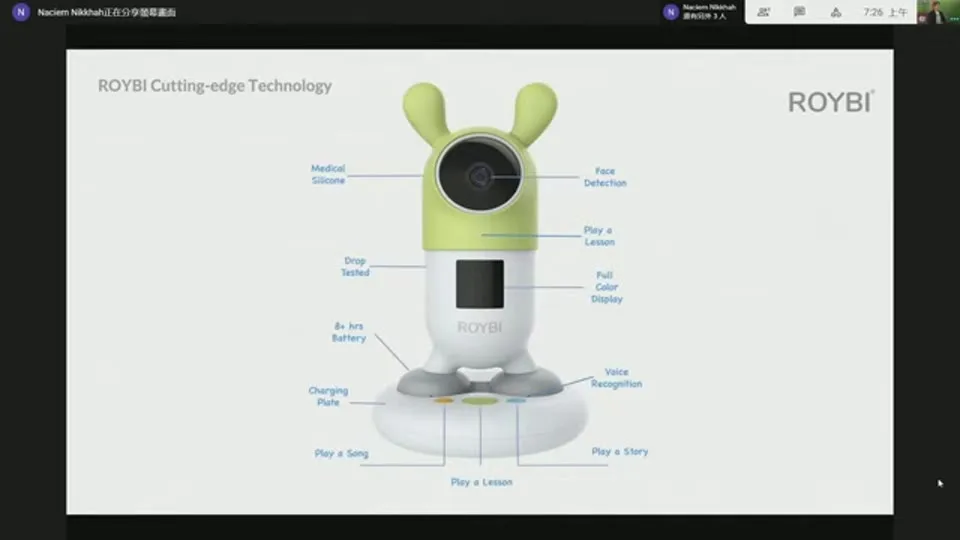
Nikkhahはまず、ROYBIでの自身の仕事を、約10年にわたる言語教育の経験と結びつけて語った。教室での経験があったからこそ、人文学を背景とする者にとって、ロボットを用いて教えるという可能性はとりわけ魅力的なものとなったという。彼女の発表では、ロボットの物理的なデザインとカリキュラムがどのように連動し、言語とSTEMの技能を教えると同時に、幼少期から学ぶことへの愛着と発見の喜びを育むのかを説明することになっていた。
ROYBIは、幼児教育、特に3歳から7歳までの子どもを対象とするAI搭載テクノロジーを開発し、グローバルなコミュニティを通じて言語学習へのアクセスを拡大するため、2019年に設立された。Nikkhahによれば、このロボットは『タイム』誌によって2019年の発明品ベスト100の一つに選ばれ、同年にはTech for Good Award(社会貢献テクノロジー賞)も受賞した。3歳以上の子どもに言語と基礎的なSTEM概念を教え、500以上のレッスン、歌、物語を提供していた。保護者は、iOSおよびAndroidに対応した付属アプリケーションを通じて、これらの教材を管理できた。
ロボットに内蔵されたカメラは、子どもの感情を検出し、物語、教育的な歌、ゲームを通じて応答することを目的とした顔認識技術を支えていた。導入レッスンでは、ROYBIは宇宙の彼方から地球にやって来たロボットとして紹介された。その後の科学のレッスンでは、地球と人類の発見に対するこのキャラクターの好奇心を利用し、物語と指導を結びつけていた。
Nikkhahによれば、カリキュラムの設計者たちはロボットにジェンダーを割り当てないよう努めた。また、この製品が人間の伴侶と誤認されるのではなく、ロボットとして率直に理解されることを意図していたため、人間に似た特徴も避けた。小型で軽量な本体により、子どもはロボットを持ち運び、触れ合う際には身体の近くに抱くことができた。彼女は、キャラクター、物理的デザイン、カリキュラムのこの組み合わせが、自律的な学習を支え、子どもが知識を求め続けるよう促しうると論じた。(0:23:01–0:27:59)
保護者の関与と音声認識技術
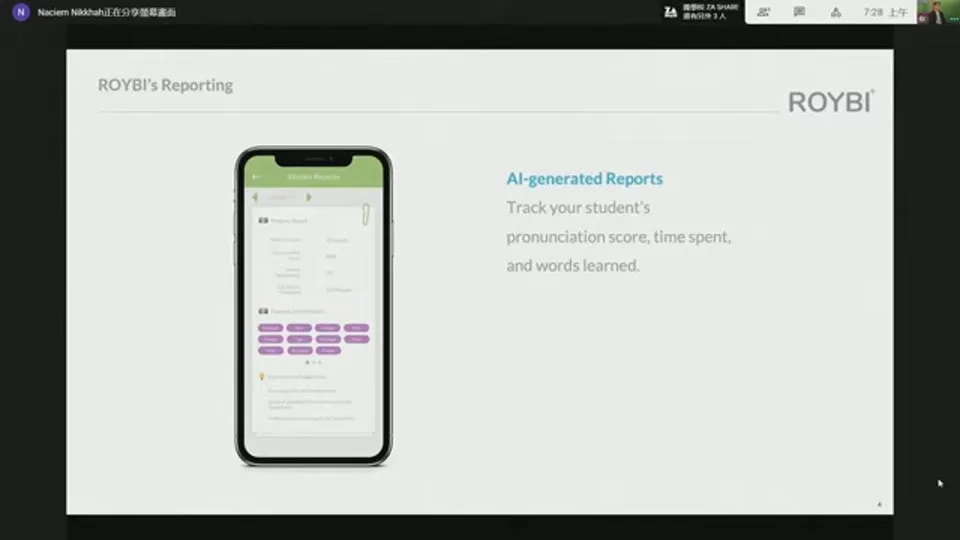
学習体験は子どもに一定の自立性を与えるよう設計されていたものの、Nikkhahによれば、ROYBIは無料の付属アプリケーションを通じて、保護者を「運転席」に置いていた。このアプリケーションによって、保護者と教育者は子どもの進捗を確認し、学習過程に参加することができた。
週次レポートには、学習した単語数、発音スコア、週ごとの向上度、ロボットと過ごした平均時間が記録された。学習済みの単語は、「すばらしい」「まずまず」「不発」というカテゴリーに分類された。各レポートには、子どものさらなる発達を保護者が支援するための提案も3つ提示された。
続いてNikkhahは、ROYBIが2019年に別のベンチャー企業、[録音では不明瞭、0:28:55]を買収したことについて説明した。この買収により、子どもの発話に対応した組み込み型自動音声認識(ASR)とエッジAIの技術が加わった。彼女は後者を、端末上で行う音声認識と定義した。買収されたシステムは、言語学、神経科学、組み込み型人工知能を活用し、複数の言語による子どもの発話をオンラインおよび端末上で認識するものであった。
Nikkhahによれば、この技術は、英語、中国語(標準中国語)、その他いくつかの言語による子どもの音声録音150,000件以上と、5年以上にわたるデータ収集および機械学習を用いて開発されていた。彼女は、データの取り扱いが児童オンラインプライバシー保護法(COPPA)に準拠していると述べた。子どもの発話を確実に認識することが重要なのは、無理なくやり取りできることが、子どもとロボットの間に信頼関係を築くための第一歩だからである。(0:27:59–0:30:21)
家族から学ぶことと利用方法の変化
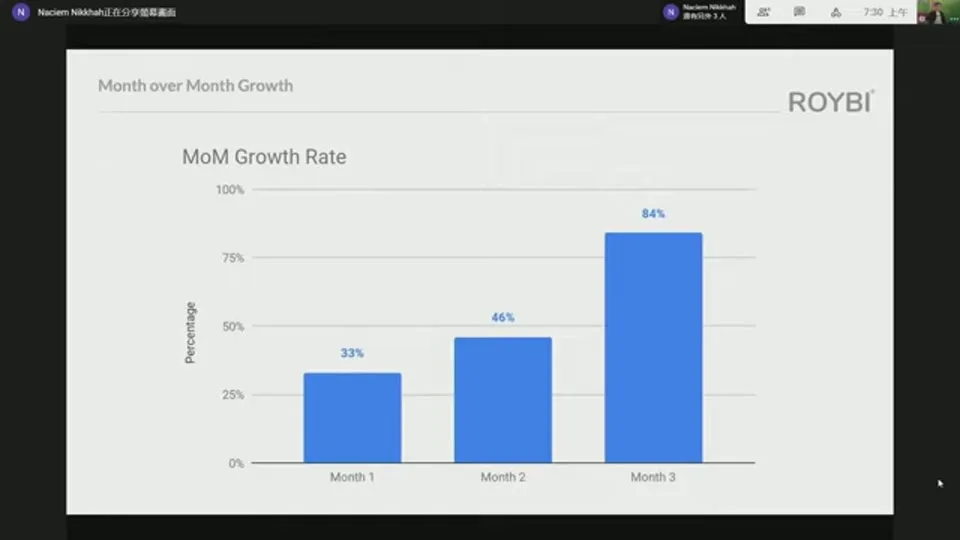
ROYBIは、ユーザーによるコンテンツとのやり取りが増加しているか減少しているかを測定できた。Nikkhahは、ロボットとのやり取りが最近84パーセント増加したと報告した。彼女は、この変化をパンデミックに伴う外出自粛命令だけに帰したわけではなかった。長期にわたるユーザー調査と、研究者および専門家との協働を経て3月頃に導入されたAI技術と教育コンテンツの改善も、この増加に寄与したという。
パンデミックは、ユーザーとの意思疎通に新たな課題をもたらした。これに対応して、ROYBIは、ユーザー体験調査に定期的に参加する保護者と教師のコミュニティを形成した。こうした対話から、保護者は家庭でテクノロジーを効果的に使う方法について、しばしば指針を必要としていることが明らかになった。そのためスタッフは、AIと機械学習について保護者と話し合い、それらを教育に活用しうる方法を説明した。Nikkhahによれば、顧客教育への注力を強めた後、ロボットへの関与が増し、顧客の関心と信頼も高まった。
彼女は、AIとの関わりが子どもたちの未来の一部になるにもかかわらず、AIと機械学習は大人にとってもまだ新しいものであるため、大人は子どもがその未来へ踏み出すのを助ける準備が十分にできていないと論じた。そこでROYBIは、研究に基づく製品の開発に、保護者、教育者、研究者を参加させようとした。
予備的なインタビューでは、子どもの家庭環境とロボットの利用状況を調査した。また、Facebookコミュニティを通じて、家族が製品機能に関する意思決定に直接参加することも可能になった。こうした話し合いを通じて同社は、自閉症の子どもを持つ一部の保護者が、社会的スキルとコミュニケーション能力を教えるため、ROYBIのレッスンを日課に組み込んでいることを知った。家族からは、ロボットが親族や友人について子どもが語る物語の一部になったとの報告もあった。レッスンによって新たに紹介された物語や概念について、子どもが保護者にさらに質問するようになったが、これは好奇心を促すという同社の目標に沿う成果であった。(0:30:21–0:33:44)
教室での評価とカリキュラムの改訂
次にNikkhahは、Education Alliance Finland(フィンランド教育アライアンス)との協働について説明した。フィンランドの幼稚園教諭5名が、英語をまったく知らない子どもに英単語を教えるため、教室でROYBIを使用した。数か月後、教員たちはレビューを行い、ロボットの教育学的アプローチを100パーセント中78パーセントと評価した。
その後、参加した教員の一人とオンライン会議を行ったことで、同社は成果と改善の可能性の双方を検討できた。調査から、従来のコンテンツは、英語の予備知識がなく、家庭でも学校でも英語に日常的に触れていない子どもにとって、難度が高すぎることが示された。こうした生徒はロボットと自力で関わることに苦労したものの、評価データによれば、教師がやり取りを導いた場合には、より良好に反応した。大人が導く共同的な関与は、ロボットを使い続けようとする子どもの意欲も高めた。
これらの知見を受けて、同社はメンターたちと会議を開き、2つの教育的ニーズを分ける計画を立てた。従来のコンテンツは、すでに英語について一定の知識がある、または英語に触れた経験を持つ英語圏の子ども向けに再開発する一方、第二言語として英語を学ぶ学習者向けには、別個のカリキュラムを作成することになった。ROYBIは、100のレッスンを制作するためにESL資格を持つ教師を採用し、研究開発チームはそれらに対応するよう付属アプリケーションを再設計した。Nikkhahによれば、レッスンは10月に無料で公開され、その有効性を評価するための追加調査が進められていた。
彼女は、製品の開発全体を通じて、言語発達がROYBIのカリキュラムとテクノロジーの双方に密接に結びついてきたと結論づけた。教師、大学研究者、その他の研究者は、同社に定期的に助言するメンターシップ・グループを通じて参加していた。カリキュラムは、就学前教育への移行期にある年齢層の子どもを対象として、語彙、読み書き前段階の技能、就学準備を重視していた。パンデミックによって促進されたオンライン学習という文脈において、テクノロジーを通じて子どもが抵抗感なく学べること、そして実際に学ぶ能力を身につけることは、ますます重視される成果になるとNikkhahは述べた。(0:33:44–0:36:58)
討論
発表後、楊は、Nikkhahがサミットのオンライン展示ウェブサイトを訪れたかどうかを尋ねた。彼は、このサイトがロールプレイング形式を採用しており、訪問者は偶然地球に衝突したさまよう星となり、そこから学びの旅を始めるのだと説明した。彼はこの設定を、宇宙からやって来て地球を発見するというROYBIの物語と比較した。
Nikkhahは、まだ展示を訪れていないが、これから訪れるつもりだと答えた。新たな場所を発見し、新たな物事に出会う喜びは、広く共有されるテーマなのだろうと彼女は述べた。楊は、期間限定の展示が終了する前に訪れるよう彼女に勧めた。その後、抜粋はパネル討論へと移ったが、パネルの冒頭の質問に対するNikkhahの回答は収録されていなかった。(0:36:58–0:39:00)
原文を読む
Naciem Nikkhah, Ph.D., Program Manager of Education Technology at ROYBI, spoke at Session 1, “The Possibility of Holistic Education Technology,” during the online 2020 Taiwan International Education Summit on 22 November 2020. Introduced by summit curator and session host Adler Yang, Nikkhah argued that the design, educational content, and supporting technology of a companion robot could work together to foster language and STEM learning, curiosity, and continued engagement among young children.
Designing a learning companion
Nikkhah began by connecting her work at ROYBI with her approximately ten years of language-teaching experience. Classroom experience, she said, made the prospect of teaching with a robot particularly engaging for someone with a humanities background. Her presentation would explain how the robot’s physical design and curriculum operated together to teach languages and STEM skills while encouraging a love of learning and the enjoyment of discovery from an early age.
ROYBI was founded in 2019 to develop AI-powered technology for early childhood education, particularly for children aged three to seven, and to expand access to language learning through a global community. Nikkhah said the robot had been recognized by Time magazine as one of the top 100 inventions of 2019 and had received the Tech for Good Award in the same year. It taught languages and basic STEM concepts to children aged three and older, providing more than 500 lessons, songs, and stories. Parents could manage these materials through an accompanying application compatible with iOS and Android.
The robot’s built-in camera supported facial-recognition technology intended to detect a child’s emotions and respond through stories, educational songs, and games. Its introductory lessons presented ROYBI as a robot arriving on Earth from a distant place in outer space. Science lessons then used the character’s curiosity about Earth and human discoveries to connect storytelling with instruction.
Nikkhah said the curriculum designers tried not to assign the robot a gender. They also avoided humanoid features because the product was intended to be understood honestly as a robot rather than mistaken for a human companion. Its small, lightweight body allowed children to carry it and hold it closely while interacting. She argued that this combination of character, physical design, and curriculum could support self-guided learning and encourage children to continue seeking knowledge. (0:23:01–0:27:59)
Parent involvement and speech-recognition technology
Although the learning experience was designed to offer children some independence, Nikkhah said ROYBI placed parents “in the driver’s seat” through its free companion application. The application allowed parents and educators to monitor a child’s progress and participate in the learning process.
Weekly reports recorded the number of words learned, pronunciation scores, weekly improvement, and average time spent with the robot. Learned words were grouped into the categories “fantastic,” “fair,” and “fizzle.” Each report also offered three suggestions through which parents could support the child’s further development.
Nikkhah then described ROYBI’s 2019 acquisition of another venture, [unclear in recording, 0:28:55], which added technology for children’s embedded automatic speech recognition, or ASR, and edge AI. She defined the latter as on-device voice recognition. The acquired system drew on linguistics, neuroscience, and embedded artificial intelligence to provide online and on-device recognition of children’s speech in multiple languages.
According to Nikkhah, the technology had been developed using more than 150,000 recordings of children’s voices in English, Mandarin, and several other languages, along with more than five years of data collection and machine learning. She said the data practices complied with the Children’s Online Privacy Protection Act, or COPPA. Reliable recognition of children’s speech was important because effortless interaction was the first step toward establishing rapport between a child and the robot. (0:27:59–0:30:21)
Learning from families and changes in use
ROYBI could measure growth or decline in users’ interactions with its content. Nikkhah reported that interaction with the robots had recently increased by 84 percent. She did not attribute this change solely to pandemic-related stay-at-home orders. Improvements to the AI technology and educational content, introduced around March after extended user research and collaboration with academics and professionals, had also contributed, she said.
The pandemic created new challenges for communicating with users. In response, ROYBI formed a community of parents and teachers who participated regularly in user-experience research. These conversations showed that parents often needed guidance on how to use the technology effectively at home. Staff therefore discussed AI and machine learning with parents, explaining their possible educational uses. Nikkhah said that greater attention to customer education was followed by increased engagement with the robot and greater interest and trust among customers.
She argued that although interaction with AI would be part of children’s future, adults were not adequately prepared to help children enter that future because AI and machine learning remained new to them as well. ROYBI consequently sought to involve parents, educators, and researchers in developing a research-based product.
Preliminary interviews examined children’s home environments and their use of the robot. A Facebook community also enabled families to contribute directly to decisions about product features. Through these discussions, the company learned that some parents of children with autism incorporated ROYBI lessons into daily routines for teaching social and communication skills. Families also reported that the robot became part of children’s stories about relatives and friends. Its lessons prompted children to ask parents additional questions about newly introduced stories and concepts, an outcome aligned with the company’s aim of encouraging curiosity. (0:30:21–0:33:44)
Classroom evaluation and curriculum revision
Nikkhah next described a collaboration with Education Alliance Finland. Five kindergarten teachers in Finland used ROYBI in their classrooms to teach English vocabulary to children with no previous knowledge of English. After several months, the teachers completed a review that rated the robot’s pedagogical approach at 78 percent out of a possible 100 percent.
A subsequent virtual meeting with one participating teacher helped the company examine both the results and possible improvements. The research indicated that the existing content was too advanced for children who had neither previous English knowledge nor regular exposure to the language at home or at school. Although these students struggled to engage with the robot independently, assessment data suggested that they responded better when teachers guided the interaction. Adult-directed co-engagement also increased children’s enthusiasm for continuing to use the robot.
These findings led to meetings with the company’s mentors and a plan to separate two educational needs. Existing content would be redeveloped for children in English-speaking countries who already had some knowledge of or exposure to English, while a distinct curriculum would be created for learners of English as a second language. ROYBI hired an ESL-certified teacher to produce 100 lessons, while its research and development team redesigned the companion application to support them. Nikkhah said the lessons had been released without fees in October and were undergoing further research to assess their effectiveness.
She concluded that language development had remained closely connected to both ROYBI’s curriculum and its technology throughout the product’s development. Teachers, academics, and researchers participated through a mentorship group that regularly advised the company. The curriculum emphasized vocabulary, pre-literacy skills, and school readiness among children in the transitional pre-kindergarten age group. In the context of pandemic-driven online learning, Nikkhah said children’s comfort and ability to learn through technology would become an increasingly valued outcome. (0:33:44–0:36:58)
Discussion
After the presentation, Yang asked whether Nikkhah had visited the summit’s online exhibition website. He explained that the site used a role-playing format in which visitors became wandering stars that had accidentally collided with Earth and then began a learning journey. He compared this premise with ROYBI’s story of arriving from outer space and discovering Earth.
Nikkhah responded that she had not yet visited the exhibition but would do so. She suggested that the joy of discovering a new place and encountering new things was a broadly shared theme. Yang encouraged her to visit before the temporary exhibition closed. The excerpt then moved into a panel discussion, but Nikkhah’s response to the panel’s opening question was not included. (0:36:58–0:39:00)
つながり
中央がこのページです。サイトの記録に基づいて、このページとつながりのあるページや人を、それぞれ印で示しています。二つの印を結ぶ線は、それぞれの印が示すページや人の間にもつながりがあることを表します。